


Eating well doesn’t have to be complicated; the best diet is balanced and offers a variety of nutrients. Whether it’s a healthy combination of proteins, fats or carbohydrates or ensuring a diverse range of vitamins and minerals, it is this variety that your body needs for optimal health. However, the crucial part that fibre also plays in our diet and overall health is often overlooked. Discover the secret to including more legumes in your diet.
Now, not one food can offer all this. In other words, one that can be described as a superfood, nutritionally speaking. However, there is one food group that could be described as “super” – legumes! They are sometimes referred to as a “secret superfood” and it’s easy to see why. Many people are surprised to learn just how nutritious legumes are. One serving, which is around half a cup, provides around 20g of carbohydrate, 7-9g fibre, 8g protein and just 1g of fat alongside an array of key vitamins and minerals.
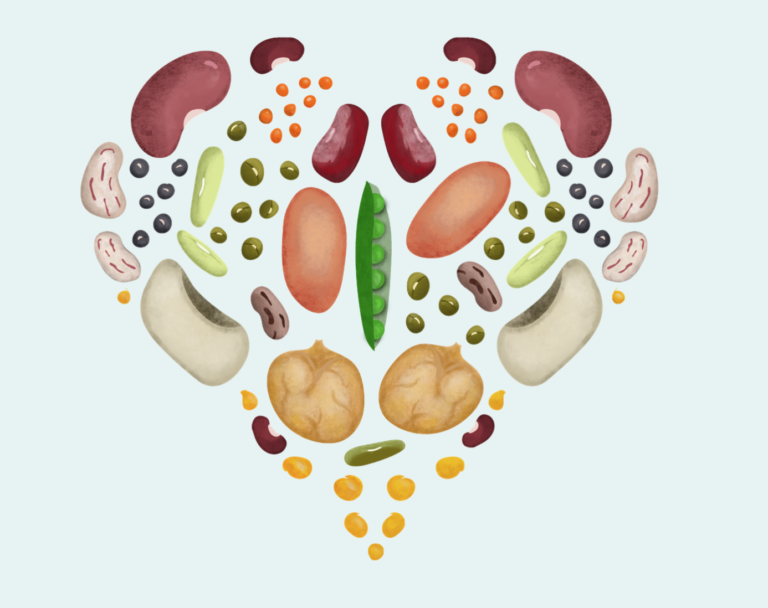
What exactly are legumes? Legumes are a food group including beans and pulses like lentils, chickpeas and indeed peanuts as well cannellini, red kidney and butter beans. They are a nutritional powerhouse and offer several benefits that can play a role in managing and preventing disease.
How can legumes help to manage your health?
- Excellent source of protein
When looking to increase the protein in your diet, legumes are an excellent choice. They’re also an easy substitute for meat in many dishes, like stews/casseroles, burgers or falafels. - Rich in vitamins and minerals
As well as protein, legumes provide an array of nutrients, in particular iron, calcium, zinc, magnesium, potassium and B vitamins. They are often overlooked as an easy source of these nutrients, but even a small half cup portion can deliver a significant amount of these key nutrients. - Rich in fibre
Legumes are one of the best sources of fibre rich carbohydrates, which means that eating them provides you with a slow-releasing energy source that will help with blood sugar control and potentially reduce the risk of developing type 2 diabetes. - Reduce cholesterol
Regularly including legumes in your diet can help to lower LDL cholesterol levels; the type of cholesterol we should be keeping at bay. The soluble fibre provided by the legumes acts as a carrier and helps to remove this “bad” cholesterol. - Can help with blood pressure management
Eating fibre-rich legumes in place of more refined carbohydrate foods will help reduce high blood pressure. They also contain potassium and magnesium which has a positive impact on blood pressure. - Improve gut health
Good gut health relies on an adequate intake of fibre, which acts as food for the “good” bacteria in the gut. Legumes are an excellent source of gut friendly fibre. - Help with weight loss
Eating legumes can help you feel fuller for longer due to their satiating protein and fibre content. These are complex nutrients that take longer to break down and therefore remain in your stomach for longer, improving satiation so you are less likely to snack in between meals. - Contain antioxidants
Legumes are a good source of antioxidants, in particular the varieties that are richly pigmented, like red kidney beans or orange lentils for example. These antioxidant compounds help to prevent cell damage against the harmful effects of oxidative stress.
Easy ways to incorporate more legumes day-to-day
For those who typically don’t love legumes, the good news is that they can be easily disguised – particularly if they’re combined with your favourite ingredients. They are incredibly versatile and can take on strong flavours, so ideal to encourage or blindside the fussiest eaters! Be brave, you’d be surprised how easy they are to incorporate into your day-to-day meals.
- Make up a large Niçoise style salad – mixed leaves, green beans, tomatoes, red onions, olives with a boiled egg and tuna. Sprinkle some tinned beans on top and dress with some olive oil, lemon juice, salt and pepper.
- Prepare a hearty vegetable soup and add in a tin of beans for added protein and fibre.
- Cook up a batch of warming chilli con carne for an easy midweek meal.
- Whip up a batch of creamy hummus for an easy dip to snack on.
- Try creating family-friendly burritos using black beans as the base.
For more inspiration, check out USA Pulses EU’s recipe collection!
Don’t forget…
If you’re not familiar with using legumes, do remember that tinned beans are a convenient option; they have a similar nutritional profile so a quick option if you’re pressed for time without compromising the health benefits. Ensure they are well rinsed and drained before using to remove any compounds like lectins that may cause stomach upset.
Shopping is key…
When you’re out shopping, pick up as many varieties as possible and once they’re in your larder, you’re far more likely to find ways of including them into your meals.
Prepared by May Simpkin, MSc – Registered Nutritionist (MBANT) ,in partnership with LegumeChef.