Nutritional Benefits & Values

Pulses deliver a high level of potassium, magnesium, zinc, B vitamins and iron – all essential for our daily dietary requirement. There are many ways health professional (doctors, dietitians, nutritionists) can help patients shift towards a higher pulse-oriented diet, be it for health reasons, weight loss or personal convictions.

For more in depth insight

NUTRITIONAL VALUES FOR: CHICKPEAS, LENTILS, DRY PEAS & WHITE BEANS

Comparing your proteins
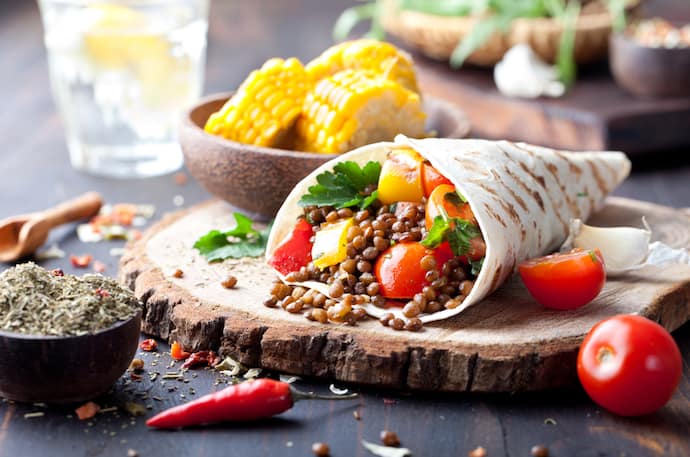
Animal proteins are associated with saturated fats and provide no dietary fiber, whilst plant-based proteins are the opposite.

Replacing some or all of your animal-based protein intake with pulses is a highly effective way of increasing your overall health and wellness

Pulses & Gluten-free Diets

Pulses are naturally gluten-free and rich with vitamins and minerals.

With the growing prevalence of gluten intolerance & celiac disease, pulses are gaining popularity in gluten-free diets.

Either as a wholesome ingredient in recipes, or as a functional ingredient for food manufacturers developing gluten-free products using pulse flours, proteins, starches and fibers.

Pulse & Diabetes

Pulses are an escellent source of dietary fiber and complex carbohydrates.
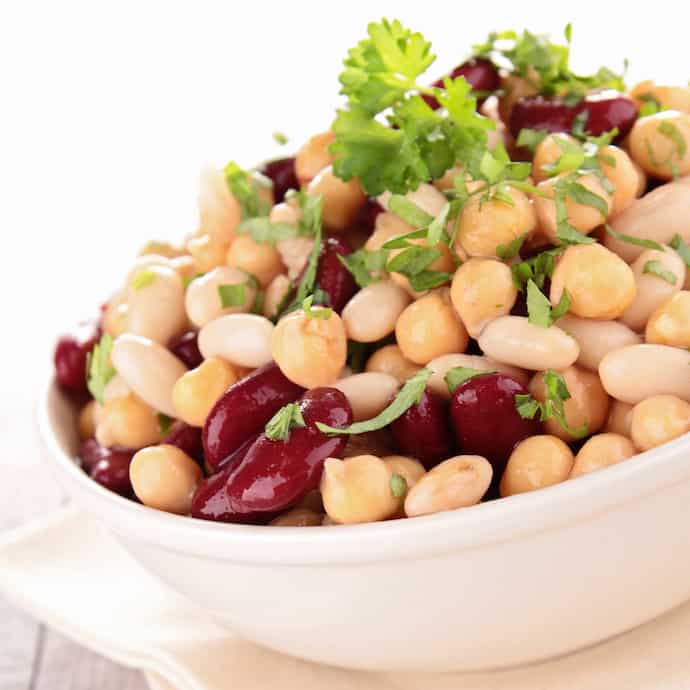
They break down slowly in the digestive system, giving pulses a very low glycemic index, the measure of how quickly a food affects blood sugar level.

Diabetics are recommended to regularly include pulses in their diets because they are highly nutritious and the carbohydrates in pulses do not cause their glucose levels to spike.

Pulses & Healthy Heart Diet

Pulses are rich in fiber and are highly recommended as part of a heart-healthy diet.

Fiber in legumes can help you feel full for longer, thus aiding weight loss, and also lowers blood cholesterol levels. 


Studies have found that consumption of legumes four or more times in a week can reduce risk of coronary heart disease by 22% and cardiovascular disease risk by 11%, as compared to those who consumed legumes only once a week.

Pulse & Weight Management

Evidence suggests that adding one daily serving of pulses – beans, peas, lentils and chickpeas – is a useful weight control strategy, whether you are looking to lose weight or maintain it.

Why are pulses so effective?

  • Pulses have a low glycemic index value, making people feel full and less likely to overeat

Pulses & Gut Health

Pulses are rich in fiber and are highly recommended as part of a heart-healthy diet.

Legumes are a rich source of a range of fibre types that are broken down in the large intestine by your gut bacteria or microbiota.

Eating whole foods that are naturally higher in dietary fibre can help to create and maintain a more diverse gut microbiota. A diverse gut microbiota creates a gut enviroment unfavourable for harmful bacteria and helps to maintain the health and integrity of the gut lining.

Pulse & Sports Nutrition

Lentils, chickpeas, beans, and  dry peas are a “superfood” for athletes, because they are high in protein and in low-glycemic index carbohydrates. 

Low-glycemic index carbohydrates are slowly digested, providing the body with a sustained source of energy over several hours. Low-glycemic index carbohydrates are also beneficial because the slow digestion stimulates a lower release of insulin into the blood compared to carbohydrates with a higher-glycemic index such as white bread or sweetened drinks.

Pulses & Special Diets

Pulses are rich in fiber and are highly recommended as part of a heart-healthy diet.

By special diets, we refer to veganism, vegetarianism and other product specific diets such as Ayurveda, Flexitarian, etc... 

These groups have long embraced pulses and to tend integrate this ingredient as their primary source of protein. Thanks to the health & nutritional benefits pulses have to offer, they are the perfect ally to meet all dietary requiremets; and the versatility of wide range of varieties available translates to endless possibilities for specialized meal plans.

Download our PDFs and other files for more information & ideas on how to increase pulses in your diet: 

Retail Dietician Toolkit

Source: www.usapulses.org

"

Nutritional Benefits of Pulses

Source: www.usapulses.org

"

Nutrition Comparing Pulses

Source: www.usapulses.org

"